
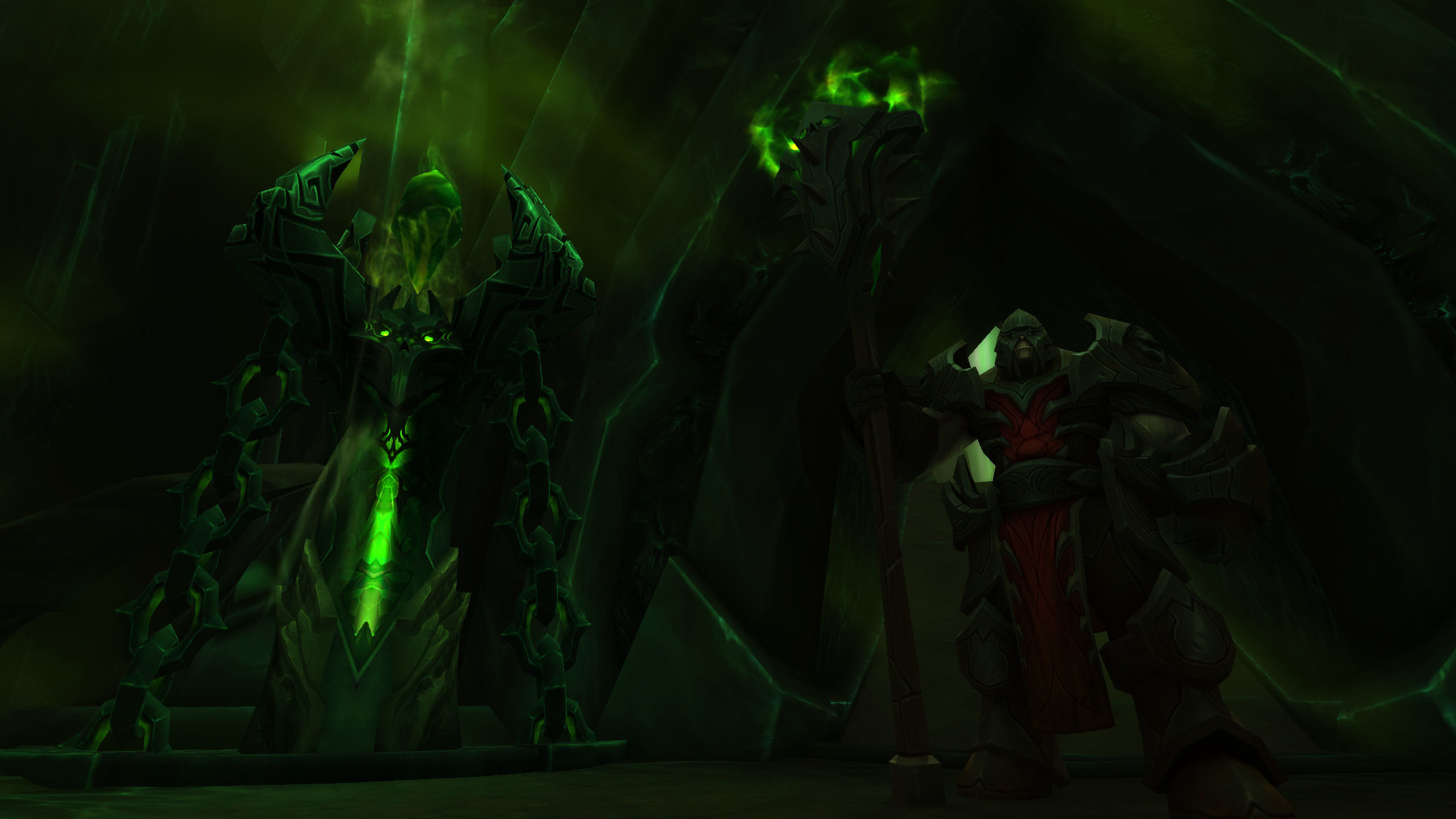
Modern raid design encourages flexibility rather than rigid rosters. As encounters emphasize different pressures—movement, burst damage, sustained healing, or control—group composition adapts to meet those demands.
Success comes from aligning roles to mechanics, not forcing encounters to fit static lineups.
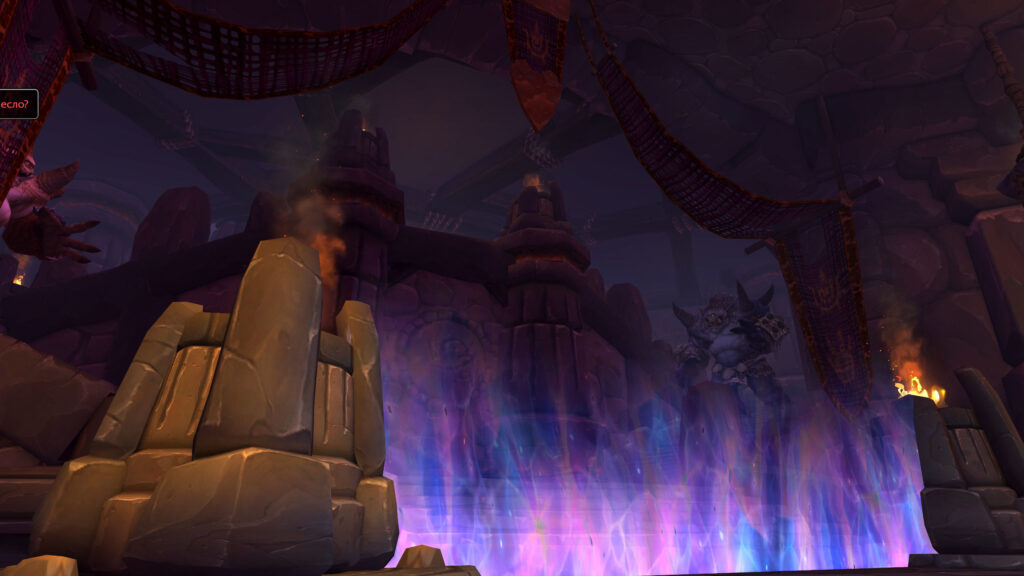
Encounter Design Dictates Role Emphasis
Each boss introduces a unique set of challenges. Some reward high burst, others punish poor positioning or demand layered defensives.
Composition choices respond to these priorities.
Flexibility Replaces One-Size Solutions
Static comps struggle when mechanics shift dramatically between fights. Dynamic rosters rotate players, specs, or roles to maintain efficiency.
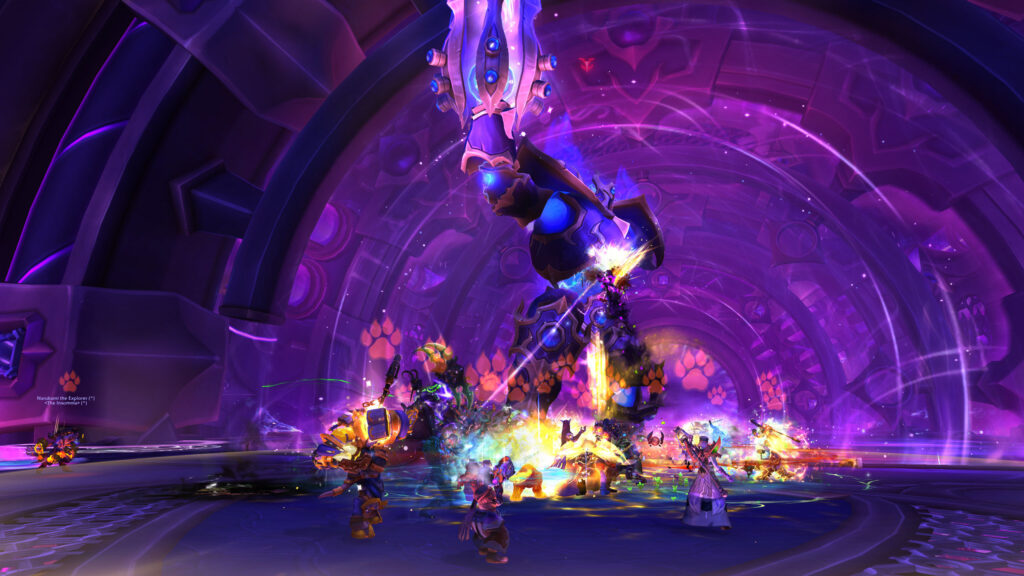
Adaptation becomes a form of preparation.
Common Composition Adjustments Per Encounter
Raid leaders fine-tune lineups to solve specific problems.
- Adding control-heavy classes for add management
- Adjusting healer counts for sustained damage phases
- Favoring mobility for movement-intensive fights
- Stacking defensives for lethal overlap mechanics
Each change targets a clear risk.
Bench Management as a Strategic Tool
Healthy progression groups use benches proactively. Rotations maintain morale while ensuring the best fit for each encounter.
Transparency preserves trust.
Player Versatility Gains Value
Players who can swap roles or specs become indispensable. Versatility reduces friction when adjustments are needed.
Flexibility enhances roster resilience.
Design Encourages Collective Problem-Solving
When compositions shift per boss, strategy discussions broaden. Teams analyze mechanics together rather than defaulting to habit.
Engagement deepens through collaboration.
Conclusion
Raid group composition adjusts dynamically per encounter design by prioritizing flexibility, preparation, and role alignment. As encounters diversify, mastery lies in choosing the right tools for each challenge.